Sodium Cyanide: A Comprehensive Safety Guide
Sodium Cyanide: A Comprehensive Safety Guide
Blog Article
Handling compound sodium salt requires significant caution and precise adherence to protection protocols. This document outlines critical procedures for avoiding exposure, including adequate keeping, private safeguarding gear utilization, and emergency answer plans for unintended releases. Regularly consult the item safety sheet (MSDS) before working with sodium nitrile and ensure that all personnel are properly educated in its protected use. Failure to observe these instructions can result in critical medical outcomes or even fatality.
Secure Handling Guidelines for Yellow Compound
Employing with yellow salt demands meticulous adherence to proper management guidelines. This extremely dangerous chemical requires specialized education and equipment . Regularly wear suitable personal equipment , including mitts, ocular protection , and a air mask certified for cyanide exposure . Do not work with na salt unaccompanied; ensure a colleague is nearby. Correct ventilation is essential to prevent breathing in of vapors . Store na compound in a cool , dry area, removed from acidifiers and oxidizing substances . Promptly clean any leaks following established protocols , and eliminate of waste in compliance with local directives .
- Study the Security Sheet Sheet .
- Preserve a tidy work .
- Report any incidents promptly .
Sodium Cyanide Storage: Essential Requirements
Safe management of ferrocyanide substance necessitates strict observation to essential storage standards. Areas allocated for sodium cyanide must be protected , outfitted with suitable aeration systems to prevent contact hazards, and include secondary barriers in case of unforeseen spill . Employees working in cyanide storage practices demand thorough education on secure manipulation and crisis action techniques .
Navigating Sodium Cyanide Transportation Regulations
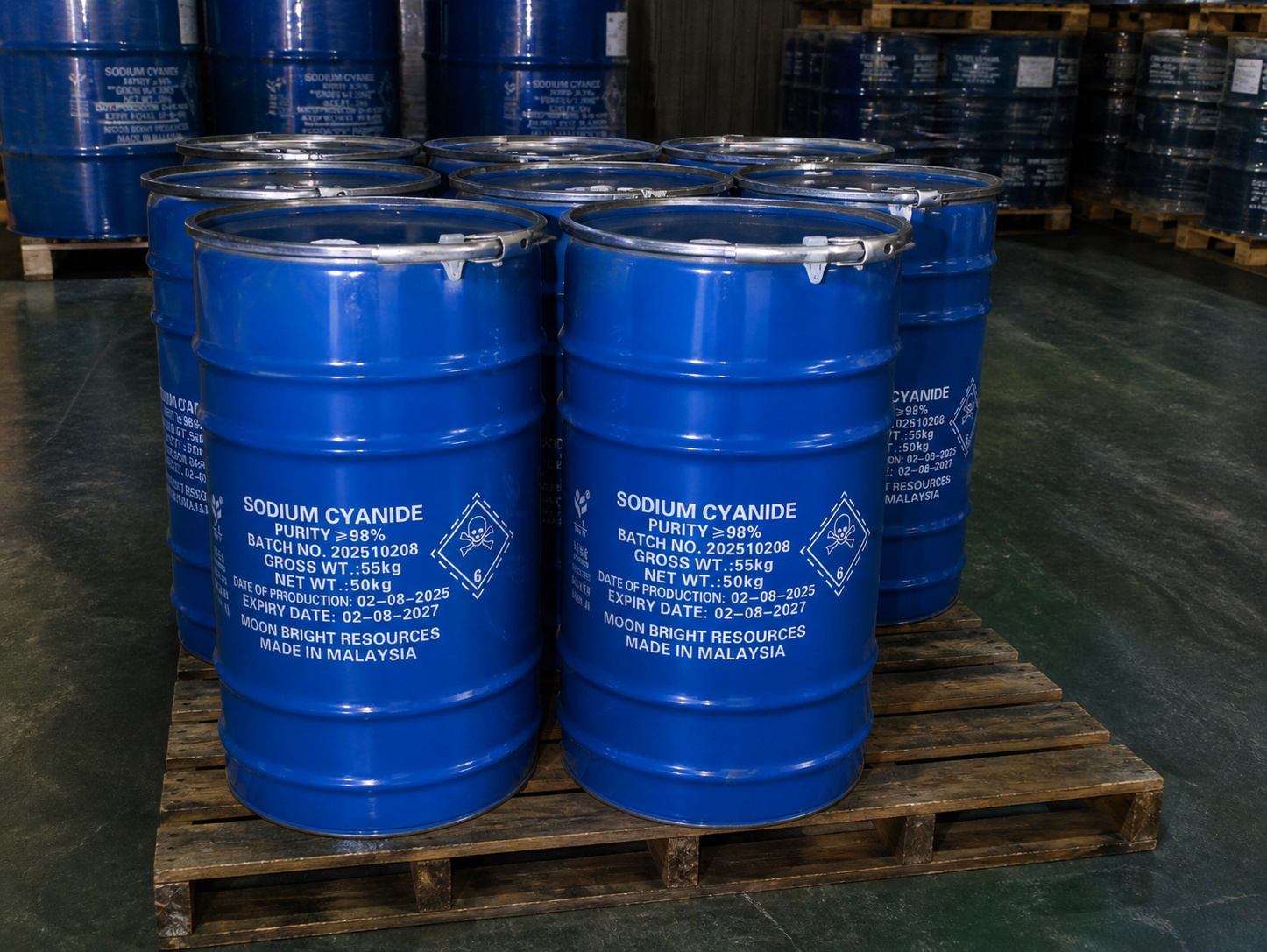
Moving consignment of sodium cyanide presents a considerable regulatory challenge for companies. Compliance with federal standards is absolutely vital, demanding detailed awareness of Department -specific requirements. Regulations fluctuate based on means of transport (road, rail, air, sea) and location. Shippers must securely load the material, displaying required Sodium Cyanide Workplace Safety labels and documentation including emergency data sheets (SDS) and shipping documents. Training for employees handling the substance is compulsory and periodic inspections are often demanded to copyright adherence .
- Review pertinent regulations.
- Ensure adequate packaging.
- Provide accurate documentation.
Understanding the Sodium Cyanide SDS: Key Information
Grasping the NaCN Safety Data Sheet is vital for anyone dealing with this dangerous compound. Pay close focus to the name section, which specifies the chemical formula and potential hazards . Additionally, precisely review the medical protocols outlined in case of contact . The physical and reaction properties section offers important data about its stability and reactions. Finally, confirm that suitable safety gear is worn based on the danger evaluation in the Safety Data Sheet .
Best Practices for Sodium Cyanide Risk Mitigation
Implementing thorough danger mitigation strategies is critically vital when working with sodium cyanide. Prioritize strict process controls, such as sealed conveyance systems, to reduce potential contact. Worker education sessions need to address proper individual security equipment (PPE) selection, urgent answer steps, and hazard reporting. Periodic inspections of keeping areas and work practices are indispensable to detect and fix certain deficiencies. Finally, maintain complete documentation of every processes associated to sodium cyanide to guarantee accountability and assist future improvements.
Report this page